Earth Day tends to bring a lot of big ideas. You hear about where the world needs to go, what industries should be doing, and how quickly change needs to happen. And all of that matters. But from where I sit, running a transportation company, Earth Day is less about ideas, and more about progress. It’s a checkpoint.
At MTRWESTERN, we’ve been steadily investing in the electrification of our fleet over the past four years. Not because it’s easy. Not because it checks a box. But because it’s clear where this industry is heading and we intend to be part of shaping it.
The future of transportation isn’t something we’re waiting on. It’s something we’re building into our day-to-day operations right now.
Why Electrification and Why Now
There’s a tendency to frame electrification as a single-issue decision. Usually environmental. And to be clear, that part matters most. Reducing emissions, improving air quality, and operating more responsibly in the communities we serve are all critically important. But if that’s the only lens you’re looking through, you’re missing the bigger picture.
For us, electrification sits at the intersection of three things:
- Environmental responsibility
- Operational performance
- Long-term business stability
We operate in a world where fuel costs fluctuate, regulations evolve, and client expectations continue to rise, especially around sustainability. Electrification gives us a way to respond to all three in a meaningful way. It’s not about reacting to change. It’s about preparing for it.
What Changes When You Go Electric
A lot of the conversation around electric vehicles focuses on the technology and understandably so. But what’s been most interesting to us is how quickly the impact becomes human. Start with the drivers.
Our drivers are professionals who spend long days behind the wheel. When you remove engine noise, reduce vibration, and create a smoother driving experience, that has a real effect over the course of a shift. It’s less fatiguing. It’s more controlled. And ultimately, it’s a better working environment.
Then there’s the passenger experience.
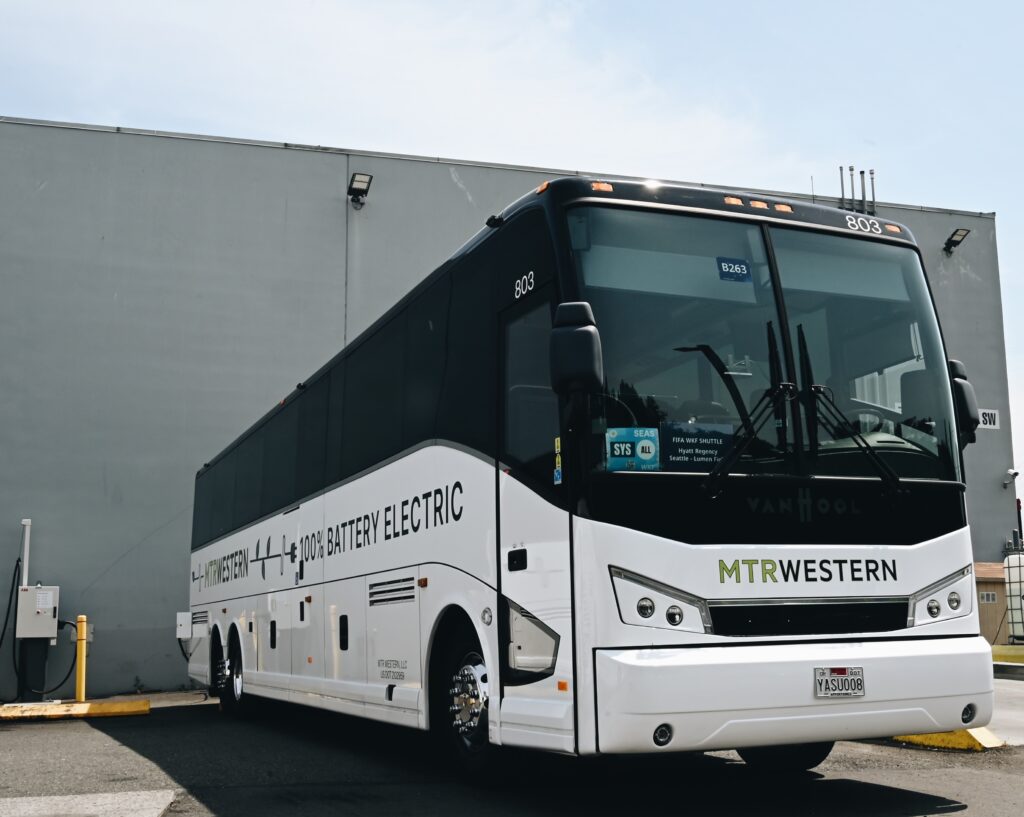
The feedback is almost immediate. People notice how quiet the ride is. They notice the smooth acceleration. There’s a level of comfort that feels different from what they’re used to on a traditional motorcoach. It’s subtle, but it matters. And in a business where we’re responsible for moving groups safely and comfortably, those details matter.
The Business Case and the Reality
There’s also a practical side to all of this. From an operating standpoint, electric vehicles offer some clear advantages. Energy costs are more stable than diesel, especially in periods of volatility. Maintenance is simpler in many respects with fewer moving parts, no oil changes, less wear on braking systems.
Over time, those factors start to work in your favor. But it’s also important to be honest about where things stand today. The upfront cost of electric vehicles is still significant. Infrastructure, including charging, power supply, facility upgrades all require significant planning and investment. And integrating these vehicles into daily operations takes coordination across teams.
This isn’t a flip-a-switch transition. It’s a long-term commitment. And like any major shift in how you operate, it comes with complexity.
What It Takes to Do This Right
One of the biggest misconceptions about fleet electrification is that it’s simply a vehicle decision. It’s not. It’s an operational decision. An infrastructure decision. A partnership decision.
You need alignment between your equipment, your facilities, your utility providers, and your operational schedules. You need to understand range, charging windows, route planning, and contingency scenarios. And you need to be willing to learn.
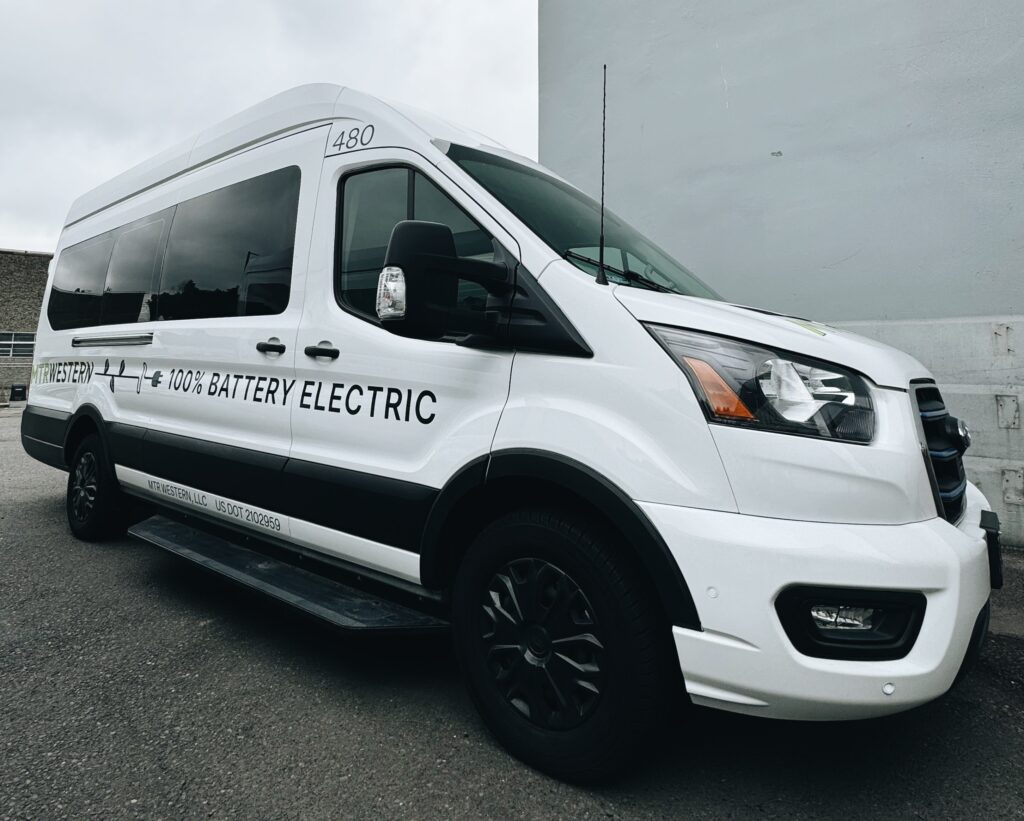
We’ve approached this as an evolution, not a one-time change. Starting with smaller fleet deployments, building internal expertise, and scaling thoughtfully as the technology and infrastructure continue to improve. That approach has allowed us to move forward without overextending and to make decisions based on real-world experience, not assumptions.
Where We’re Seeing It in Action
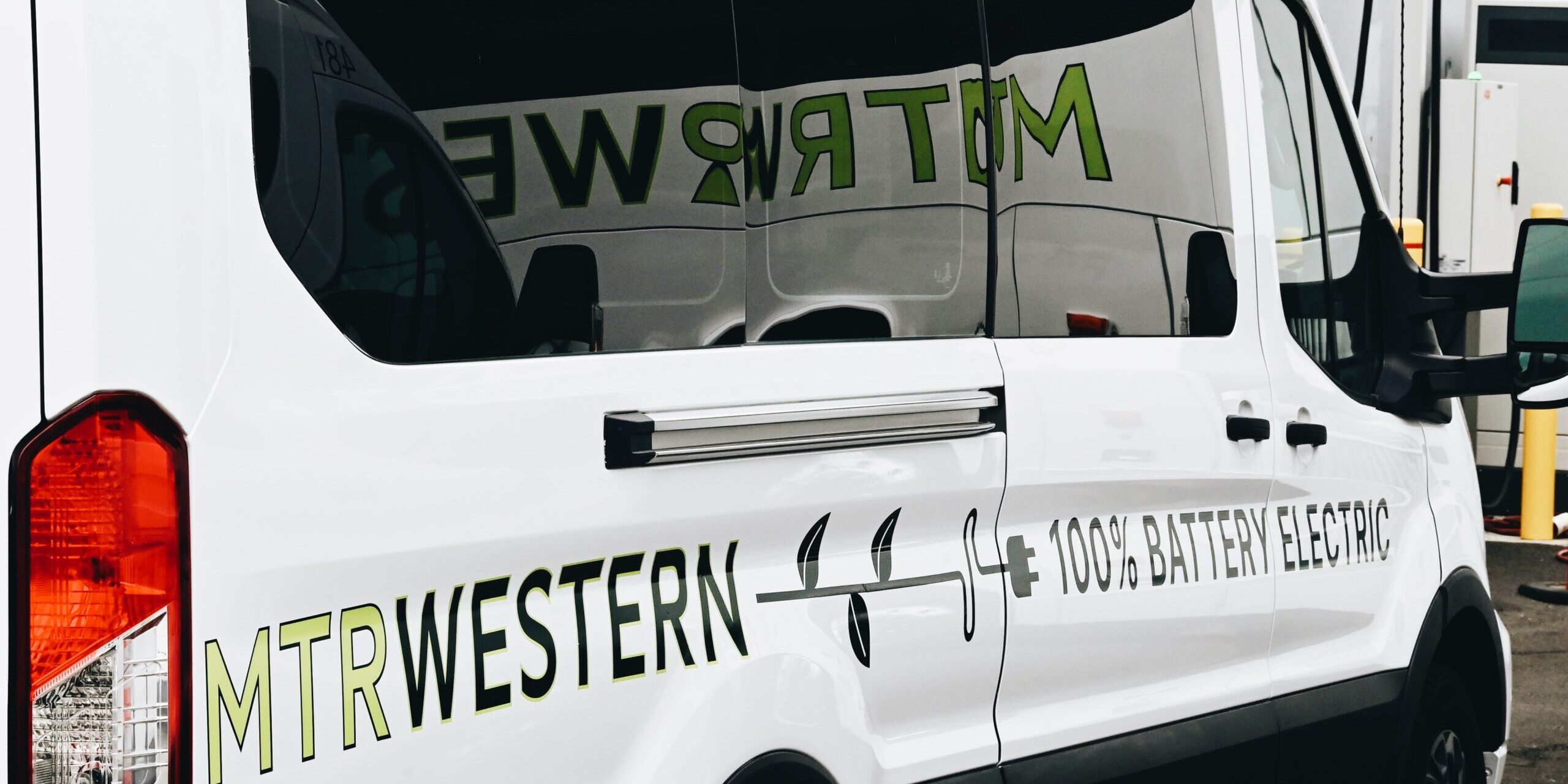
We’re already seeing how this plays out across our business. From new fully electric employee shuttle programs to corporate transportation needs, electric vehicles are becoming a fully viable and increasingly preferred option for clients who are thinking about their own sustainability goals. But it’s not just about checking a sustainability box. It’s about delivering a better overall solution.
A quieter ride for passengers, more comfortable experience for drivers and a forward-looking approach that aligns with where organizations are headed. That combination is what makes electrification meaningful not just as a concept, but as a service.
The Role of Partnership
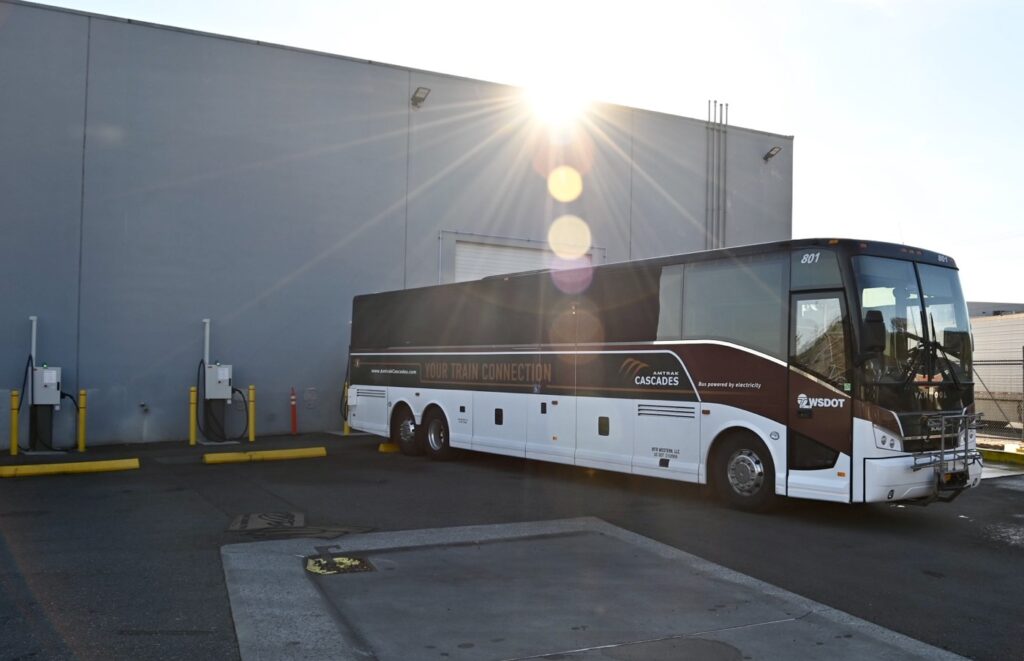
If there’s one thing I’d emphasize, it’s that this transition doesn’t happen in isolation. For operators like us, success depends on strong partnerships with manufacturers, utilities, public agencies, and with the clients we serve.
There’s a shared interest in getting this right. And there’s also a shared responsibility to recognize the realities of implementation. The pace of adoption, the cost structure, and the operational challenges all need to be part of the conversation. When those pieces come together, progress accelerates.
Looking Ahead
We’re still early in this transition. The technology will continue to improve. Infrastructure will expand. Costs will come down over time. And expectations from clients, communities, and regulators will continue to evolve. But what’s clear today is that electrification is no longer a future concept. It’s here, it’s viable, and it’s already changing how we think about moving people.
At MTRWESTERN, we’re committed to continuing that work by investing where it makes sense, learning as we go, and building a fleet that reflects where the industry is headed. Let’s keep rolling.
Jeremy Butzlaff
President, MTRWESTERN