Recent headlines have once again highlighted how quickly fuel markets can shift and how broadly those shifts are felt across the economy.
For those of us in transportation, this isn’t new. Fuel has always been one of the most significant and unpredictable inputs in running a fleet. When prices move, they move quickly and they impact everything from operating costs to long-term planning.
A recent editorial from The Seattle Times pointed to this moment as another reminder of why the transition toward electric-powered infrastructure is gaining momentum. Not just as an environmental goal, but as a practical step toward a more stable and resilient system.
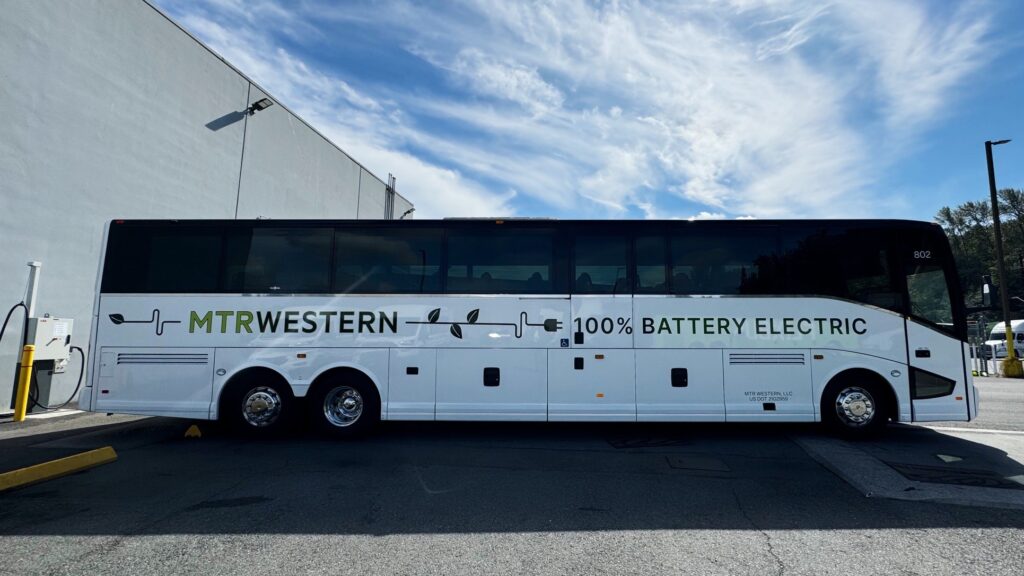
At MTRWESTERN, that’s how we think about it.
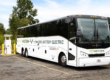
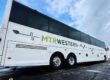
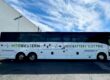
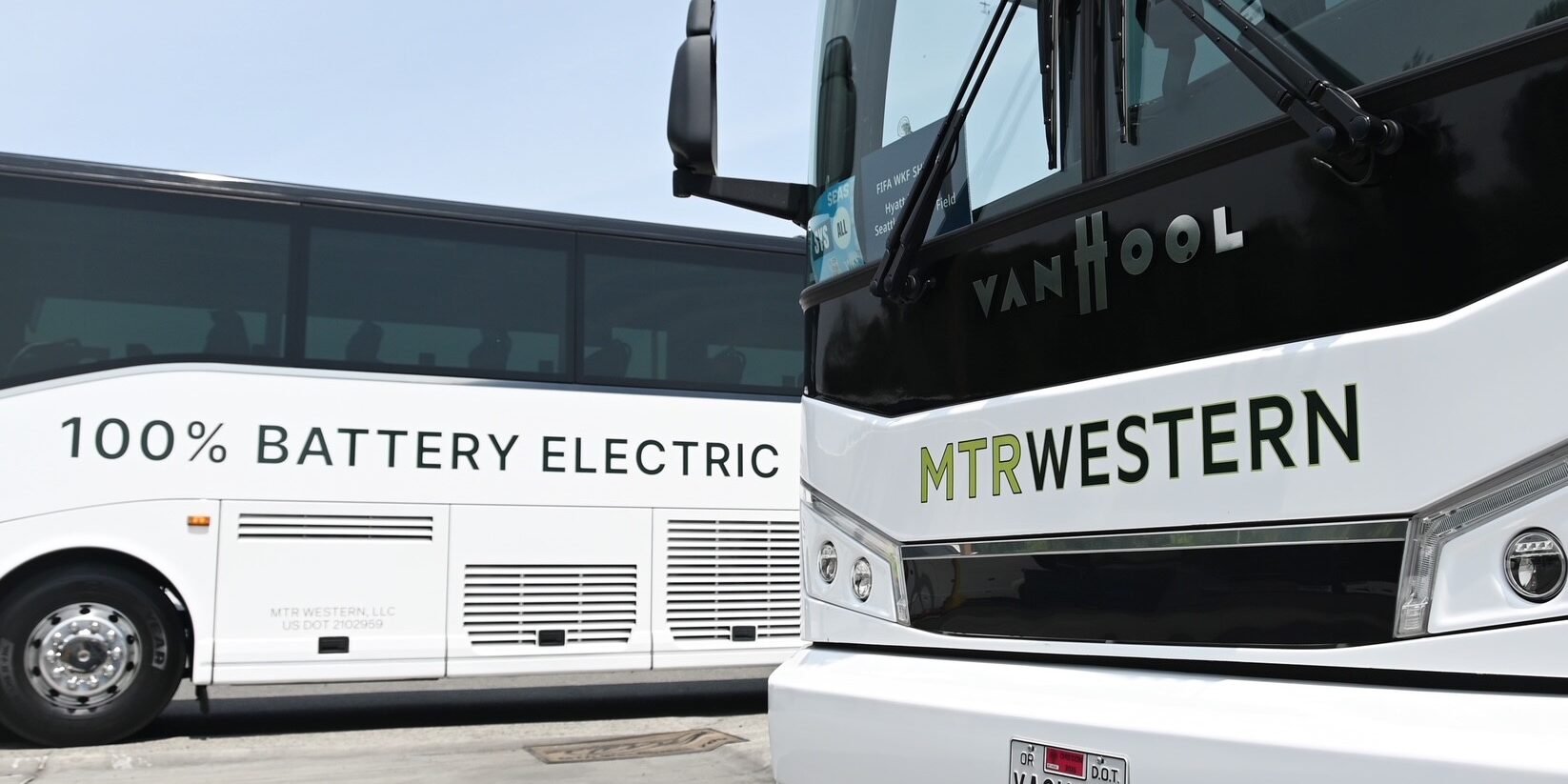
Our investment in electric motorcoaches is not about chasing a trend. It’s about building a more predictable and efficient operation over time – one that is less exposed to the kind of volatility that defines global fuel markets.
Electric motorcoaches offer a different model. One where energy costs are more stable, where operations can be planned with greater certainty and where we can continue to deliver reliable service regardless of external disruptions.
That doesn’t mean the transition happens overnight. Diesel equipment remains an important part of our fleet today and operating it responsibly is essential to serving our clients across the Pacific Northwest.
Nonetheless, each step toward electrification moves us in the right direction.
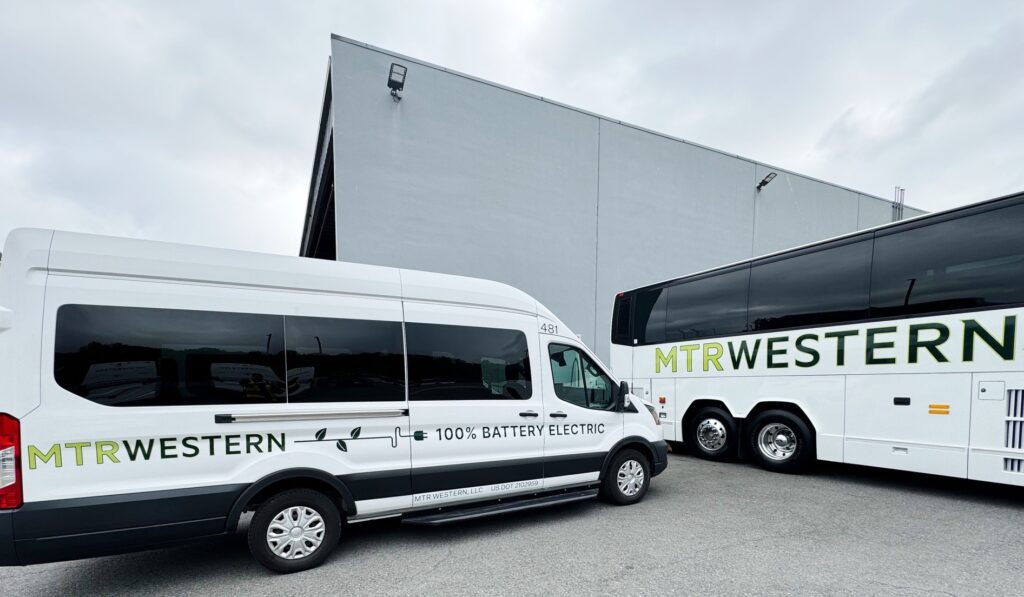
For our clients, that means:
- Continued investment in modern, high-quality equipment
- A focus on long-term cost stability in a volatile fuel environment
- A transportation partner thinking ahead rather than reacting
- Greater predictability for programs such as employee and campus shuttles, where consistency matters day in and day out
- Scalable solutions that support corporate sustainability goals and reporting initiatives
For our communities, it means:
- Reduced emissions and improved air quality in the places we live and work
- Quieter operations, especially in dense urban areas and campuses
- A more sustainable approach to moving people at scale
- Fewer single-occupancy vehicles on the road through expanded shared transportation and shuttle programs
- Progress toward a transportation system that is both efficient and less dependent on volatile energy sources
At its core, this is about moving more people, more efficiently and with less impact.
We believe the future of motorcoach transportation will be increasingly electric. Our job is to lead that transition responsibly, while we continue to deliver the service our clients rely on every day.
Jeremy Butzlaff
President, MTRWESTERN